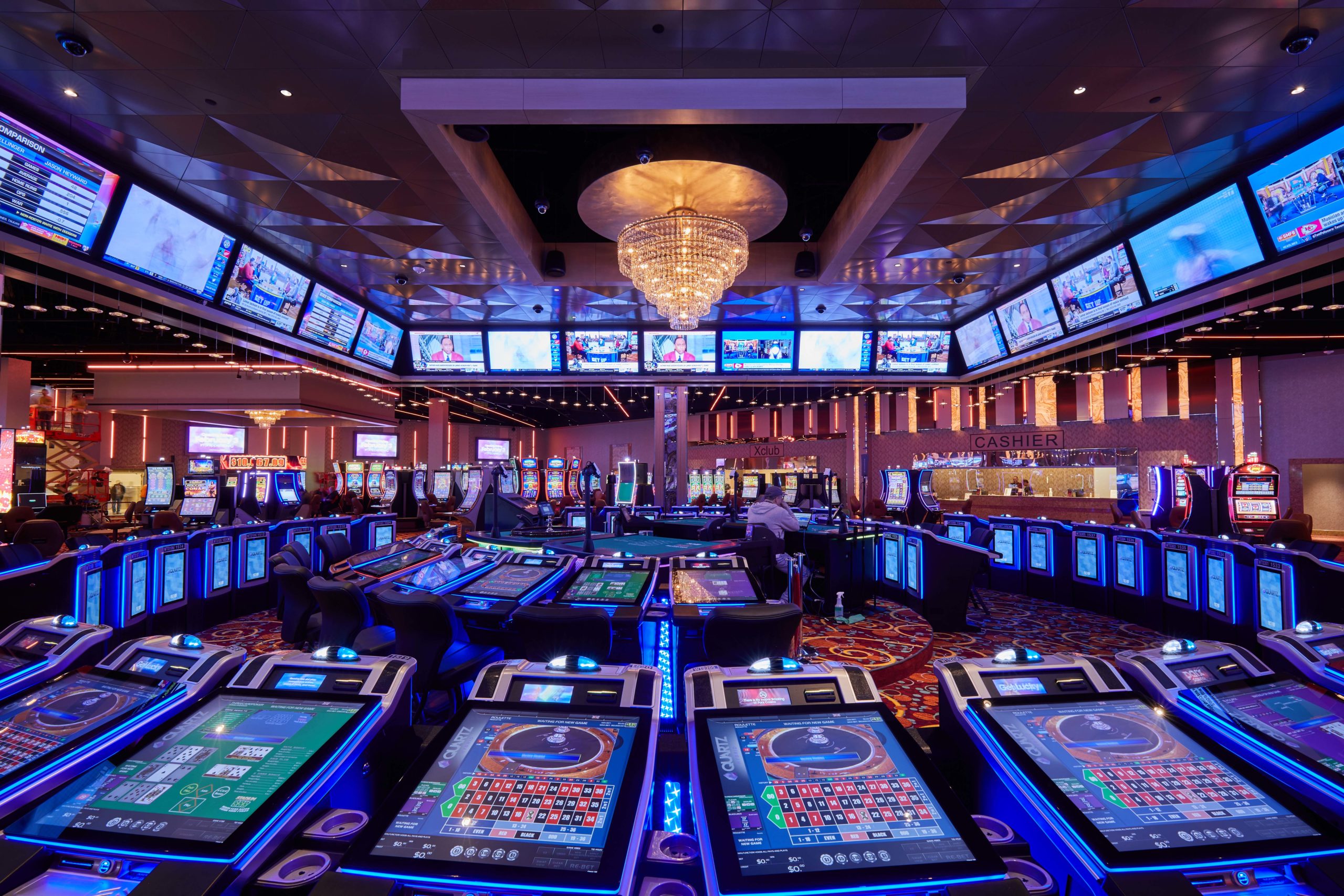
Exploring the World of Casinos: A Global Perspective
The world of casinos is vast and varied, offering a unique glimpse into the cultures and traditions of different countries. From the flashy lights of Las Vegas to the historic charm of Monte Carlo, casinos have become synonymous with entertainment, luxury, and sometimes, a bit of risk. One interesting aspect of this industry is the rising popularity of casinos worldwide international casino sites that allow players to experience the thrill of gambling from the comfort of their homes. In this article, we will explore the history, cultural significance, and present trends in the world of casinos.
A Brief History of Casinos
The concept of casinos has its roots in ancient civilizations. The earliest forms of gambling can be traced back to 2300 BC in ancient China, where rudimentary dice games were played. However, the modern casino as we know it began to take shape in the 17th century in Italy. The first official casino, the Ridotto, was established in Venice in 1638, providing a regulated environment for gambling.
During the 19th century, casinos began to spread across Europe, with notable hubs emerging in Monaco and Baden-Baden, Germany. The famous Monte Carlo Casino opened in 1863 and quickly became a playground for the aristocracy and wealthy elite. In the United States, the first casino was established in New Orleans in 1822, followed by the rise of Las Vegas in the 20th century, which would eventually become the world’s most famous gambling destination.
Casinos Around the World
Today, casinos can be found in various forms and styles across the globe, reflecting the culture and social norms of their locations. Let’s explore some of the top casino destinations worldwide.
Las Vegas, USA
Las Vegas, often referred to as the gambling capital of the world, is home to some of the most iconic casinos. The Las Vegas Strip is lined with extravagant hotels and casinos, including the Bellagio, Caesars Palace, and the Venetian. Beyond gambling, Las Vegas offers a plethora of entertainment options, including world-class dining, concerts, and shows.
Macau, China
Macau is another crucial player in the global casino landscape. It’s often called the “Gambling Capital of the World,” surpassing Las Vegas in revenue. The city boasts massive resorts like The Venetian Macao and City of Dreams, attracting millions of tourists each year. Macau blends Chinese culture with Western influences, creating a unique environment for gamblers.
Monte Carlo, Monaco
Monte Carlo is synonymous with luxury and sophistication. The Casino de Monte-Carlo, which opened in 1863, is famous not only for its gaming but also for its exquisite architecture and beautiful gardens. The casino has a rich history, having been featured in numerous films and attracting celebrities and dignitaries from around the world.
Reno and Atlantic City, USA
While Las Vegas often takes the spotlight, Reno and Atlantic City also hold a significant place in the American gambling industry. Reno, known as “The Biggest Little City in the World,” offers a more relaxed atmosphere compared to Las Vegas. Atlantic City, on the other hand, has a rich gambling history and is known for its boardwalk and beachfront casinos.
Cultural Significance of Casinos
Casinos are not just about gambling; they embody a rich tapestry of culture, entertainment, and social interaction. In many places, they serve as a hub for tourism, providing jobs and business opportunities for the local community. The casino experience often includes shows, fine dining, and nightclubs, contributing to a vibrant nightlife.
Gambling itself has been associated with various traditions and customs. In some cultures, it is viewed as a form of entertainment, while in others, it holds deeper spiritual significance. For example, in some indigenous cultures, games of chance have been used for ceremonial purposes. This dual nature of gambling as both a pastime and a cultural practice makes casinos an intriguing topic for sociocultural study.
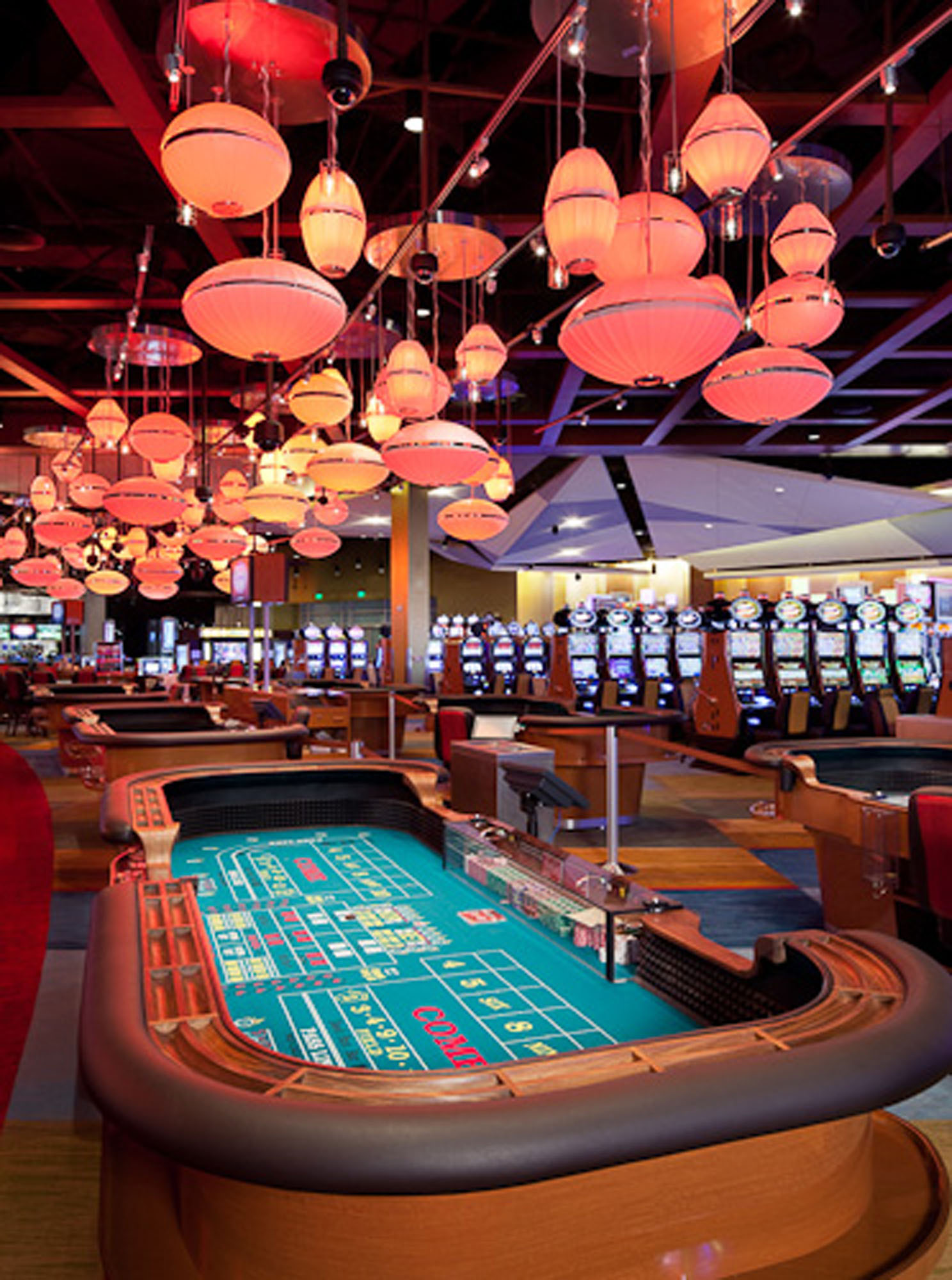
The Rise of Online Casinos
In recent years, the gambling industry has undergone a significant transformation with the advent of technology. Online casinos have gained immense popularity, allowing players to enjoy their favorite games from anywhere in the world. The convenience and accessibility of online betting, combined with advancements in technology, such as live dealer games and mobile apps, have changed the landscape of gambling.
Online casinos offer a wide range of games, including slots, poker, blackjack, and more. They often provide generous bonuses and promotions to attract players, making them a competitive alternative to traditional casinos. The rise of online gambling has also led to the emergence of new regulations and laws to ensure fair play and protect players.
The Future of Casinos
The future of casinos seems bright, with continuous innovations reshaping the industry. Technologies like virtual reality (VR) and augmented reality (AR) are beginning to make their way into gambling experiences, providing immersive environments for players. Additionally, blockchain technology and cryptocurrencies are being integrated into online casinos, offering secure and transparent transactions.
As the industry evolves, casinos will continue to adapt to changing consumer preferences and regulatory landscapes. The ongoing challenge for physical casinos will be to provide a unique and engaging experience that cannot be replicated online, while online casinos will strive to enhance their offerings to retain their growing player base.
Conclusion
Casinos have come a long way from their humble beginnings to becoming a global phenomenon. They reflect the diverse cultures and traditions of the locations they inhabit while also adapting to modern trends and technologies. Whether you are drawn to the glamour of Las Vegas, the sophistication of Monte Carlo, or the convenience of online gambling, the world of casinos has something to offer everyone. As we move forward, the industry will continue to evolve, pushing the boundaries of entertainment and gaming.