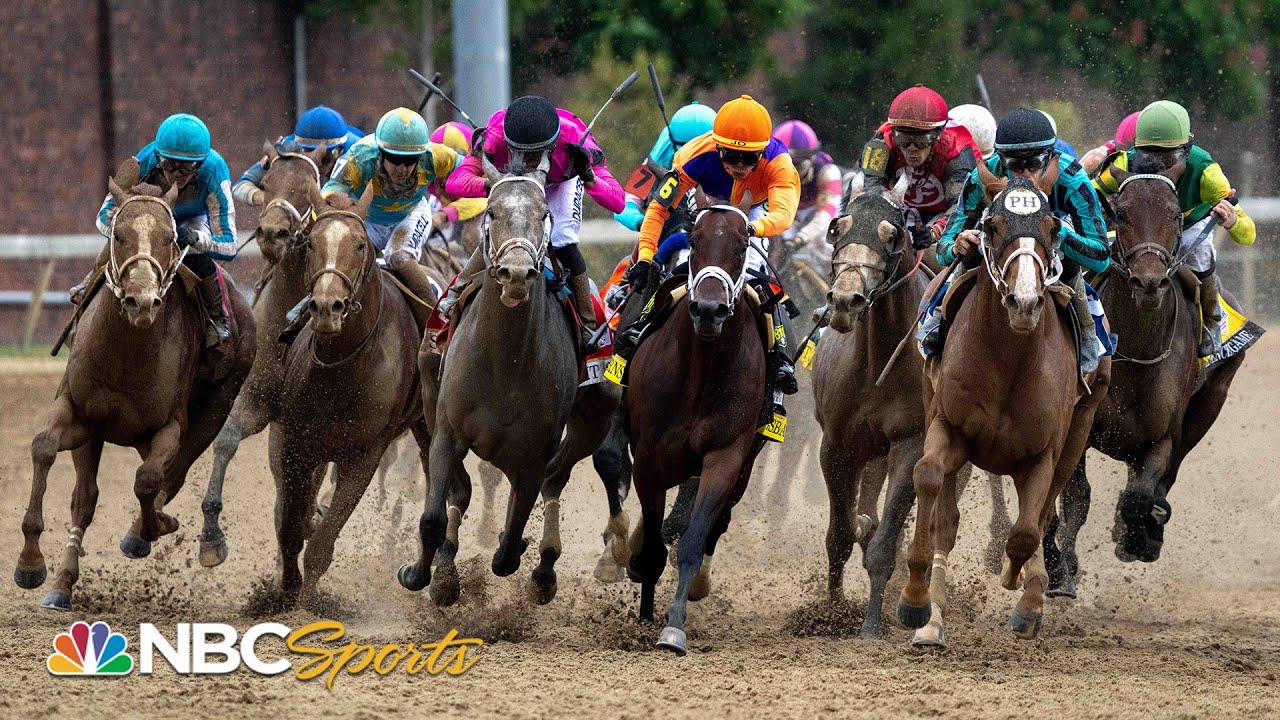
The Thrilling World of Horse Racing: A Community United
Horse racing is a sport steeped in history, culture, and community. From the iconic tracks of Ascot to the lush pastures of Kentucky, the world of thoroughbred racing is vibrant and ever-evolving. The depth of passion found in horse racing is not merely about the adrenaline rush of the races themselves but extends to the unique camaraderie that unites fans, trainers, and riders. The challenges that threaten the sport, including economic downturns and regulation, often seem insurmountable, yet the unwavering spirit of racing enthusiasts keeps the community alive and thriving. Learn more about the community at horse racing not blocked by GamStop merseysidepolicemounted.uk.
A Historical Overview: Horse Racing’s Roots
Horse racing has ancient origins, with evidence of organized races dating back to the Roman Empire and ancient Greece. Initially, it served as a form of military training and religious celebration. Over time, it evolved into a popular spectator event, establishing itself as not only a sport but a social function that gathered communities together. The first official horse racing tracks appeared in England during the 16th century, and in the 19th century, the establishment of the Jockey Club further formalized the sport, leading to the structured racing events we know today.
The Different Types of Horse Racing
Various forms of horse racing exist around the world, each with its own distinct rules, traditions, and fan bases. The two primary categories are flat racing and jump racing. Flat racing, characterized by races on a level track, is the most common type. Jump racing, on the other hand, involves hurdles and fences, presenting a different set of challenges for both horses and jockeys. Additionally, harness racing, where horses pull drivers in a cart, adds another exciting dimension to the sport. Each type of racing brings unique thrills and showcases the impressive athleticism of the horses.
The Role of the Community in Horse Racing
Community is at the heart of horse racing. Owners, trainers, breeders, jockeys, and enthusiastic fans create a tapestry of relationships that support and sustain the sport. Local racetracks often host events that draw attendees from surrounding areas, providing not only entertainment but also stimulating the local economy. These gatherings foster an environment where people can share their passion for horses and build lasting connections.
Economic Impact of Horse Racing
The economic implications of horse racing extend beyond the racetrack. As a significant sector in the gambling industry, racing generates substantial revenue for local economies. It’s not just the betting; every event brings with it tourism, the hospitality sector, and retail trade, all benefiting from the influx of visitors. Moreover, many regions rely on horse racing for job creation, from stable hands to event management, showcasing the multifaceted influence of this age-old sport.
Challenges Facing the Sport
Despite its popularity, horse racing faces numerous challenges. Economic recessions can affect betting and attendance, while concerns about horse welfare and ethical practices have garnered significant media attention in recent years. Regulatory hurdles can also pose obstacles, as governments around the world grapple with how best to oversee the sport. Nevertheless, the community of racing enthusiasts is relentless in their dedication to improving the sport and addressing its issues.
The Future of Horse Racing
Looking to the future, horse racing is adapting to meet the needs of a changing society. Innovations in technology, such as virtual betting and live streaming of races, have the potential to attract younger audiences. Additionally, horse racing organizations are increasingly committed to equine welfare, implementing stricter regulations and health monitoring systems to ensure the safety and well-being of the horses. These steps not only protect the athletes but also enhance the sport’s reputation and sustainability.
Final Thoughts: Why Horse Racing Matters
Horse racing is far more than just a competition; it represents a community deeply connected by tradition, passion, and the relentless pursuit of excellence. Despite facing various challenges, the spirit of the sport remains unbroken. The continued commitment from its community members ensures that horse racing will not only survive but thrive in the years to come. As we celebrate this historic sport, it’s essential to recognize its contributions to culture, economy, and above all, the profound bonds it creates among those who love it.