The Future of AI Nudify: Ethical Implications and Technological Advances
In recent years, artificial intelligence (AI) has made significant strides in various fields, and one of the most controversial is the domain of image processing, particularly the concept of AI Nudify. This technology, which uses sophisticated algorithms to alter photographs, has sparked debates about privacy, consent, and ethics. As it stands, ai nudify https://nudify.org/ serves as a focal point for many discussions regarding the application of such technology and the implications it bears on individual rights and societal norms. This article delves into the intricate tapestry of AI Nudify, exploring its technological advancements and the ethical considerations it raises.
Understanding AI Nudify Technology
AI Nudify refers to the use of AI algorithms to manipulate images to create nudity in subjects who are fully clothed. While this might seem like a fun or harmless use of technology, it raises various questions about the intention behind such applications. The technology primarily relies on machine learning models that have been trained on vast datasets of human bodies in various states of dress and nudity. The underlying technology analyzes patterns, textures, and colors to generate potentially realistic transformations.
Technological Foundations
The foundation of AI Nudify technology is the confluence of several key concepts in AI and computer vision. At its core, it employs generative adversarial networks (GANs), a class of machine learning frameworks where two neural networks are set against each other to improve the output quality. The first network, the generator, creates images, while the second, the discriminator, evaluates the authenticity of these images. This iterative process enhances the realism of the generated outputs over time.
Developers and researchers utilize datasets populated with images of nudity alongside fully clothed images to train GANs, allowing the AI to learn distinguishing features. As a result, the technology can produce photorealistic images that change clothing into nudity while retaining a semblance of realism. Though these advancements can seem harmless, they lay the groundwork for potential misuse.
Applications of AI Nudify Technology
While AI Nudify has garnered attention for its potential entertainment value, the technology can be employed in various ways. Some advocates suggest it could be used in creative industries, such as fashion or art, enabling designers to visualize clothing concepts more effectively. However, the dangers arise in misuse, where creating non-consensual nude images of individuals, particularly those who have not consented to this portrayal, raises serious ethical concerns.
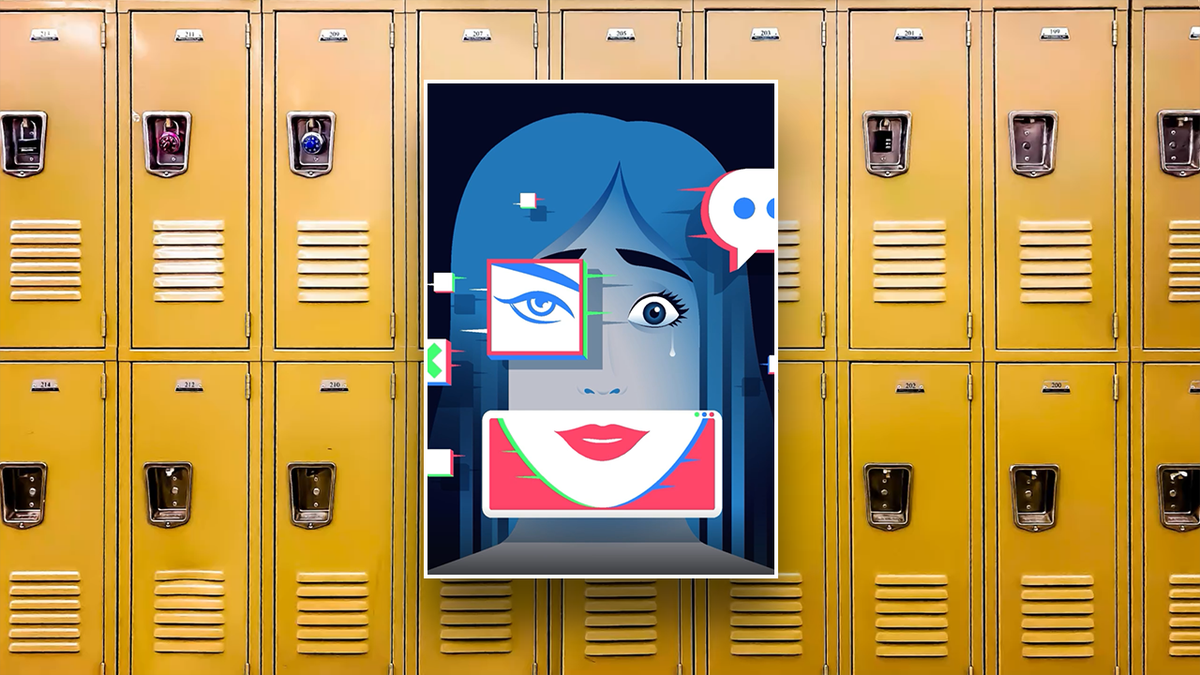
Ethical Implications
The primary ethical concern tied to AI Nudify is the element of consent. In every interaction involving images, permission is paramount. The creation of nude images of individuals without their consent is a blatant violation of privacy and trust. Moreover, the proliferation of such technology normalizes the objectification of individuals and can lead to serious psychological repercussions for those targeted by malicious actors.
Furthermore, the technology presents dilemmas related to authenticity and truth. In an age where deepfakes and manipulated images are becoming increasingly common, discerning what is real and what is artificial can significantly impact societal perceptions—and even individual reputations. The potential for misuse creates a breeding ground for harassment and exploitation, especially among vulnerable populations.
Legal Considerations and Governance
As AI Nudify becomes more prevalent, legal frameworks must be established to govern its use and prevent exploitation. Current laws regarding privacy, intellectual property, and consent are often inadequately equipped to address the nuances introduced by this technology. Governments worldwide are beginning to grapple with these challenges, pushing for legislation to protect individuals from non-consensual image manipulation.
However, legislation alone is insufficient. It requires collaborative efforts from technologists, ethicists, legal experts, and social scientists to develop guidelines that balance innovation with ethical standards. Transparent practices within the AI industry must also become a focal point to ensure responsible use of the technology.
The Role of Awareness and Education
One of the most effective ways to combat the potential negative repercussions of AI Nudify is through heightened awareness and education. Individuals must understand the risks assoc

iated with sharing images and the potential consequences of manipulated images. Educational initiatives can empower users to navigate the digital landscape safely, fostering environments where consent and respect are upheld.
Conclusion: A Double-Edged Sword
AI Nudify represents a powerful tool with the potential for both positive and negative impact. While it can open avenues for creative exploration, the ethical implications of its misuse cast a significant shadow over its applications. The future of AI Nudify hinges on the balance between technological advancement and ethical responsibility, demanding a collaborative approach to ensure that the technology serves humanity’s best interests rather than its worst.
As society continues to navigate the complexities of AI and image manipulation, it is imperative to engage in ongoing discussions about its ethical implications while advocating for responsible practices in technology development. Only then can we harness the true potential of AI Nudify for positive outcomes while mitigating factors that threaten privacy and safety.