Understanding gambling addiction Signs, symptoms, and pathways to recovery
What is Gambling Addiction?
Gambling addiction, also known as compulsive gambling or pathological gambling, is characterized by an uncontrollable urge to gamble despite harmful consequences. This condition can lead to significant emotional, financial, and social problems. Individuals may initially gamble for enjoyment or relaxation, but over time, it can morph into an obsession that overshadows other aspects of life. Those interested in understanding more about Neosurf casinos in Australia can check here for essential insights on using Neosurf for secure deposits.
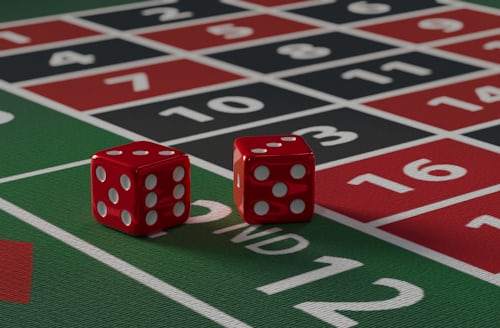
The progression of gambling addiction varies for each individual, often influenced by personal circumstances, psychological factors, and environmental triggers. Initially, gambling may provide excitement or a temporary escape from stress. However, as the individual seeks to recapture these feelings, the risks associated with gambling often escalate, leading to a damaging cycle of chasing losses and increased stakes.
It’s crucial to understand that gambling addiction is not merely a failure of willpower. It is recognized as a mental health disorder by numerous professional organizations, including the American Psychiatric Association. Acknowledging the medical nature of this condition is the first step toward effective treatment and recovery.
Signs of Gambling Addiction
Recognizing the signs of gambling addiction is vital for early intervention. Common indicators include preoccupation with gambling, where individuals frequently think about past gambling experiences or plan future wagers. They may also exhibit a need to gamble with increasing amounts of money to achieve the same thrill, leading to greater financial stakes over time. Understanding these signs can help mitigate the damaging effects often associated with gambling issues.
Moreover, individuals may lie about their gambling habits or conceal their financial losses to avoid scrutiny. This deceit can strain personal relationships and lead to isolation. Other signs may include borrowing money to fund gambling, experiencing withdrawal symptoms when attempting to cut back, or using gambling as a coping mechanism for stress or anxiety.
Understanding these signs is not just beneficial for the individual; family and friends should also be vigilant. Recognizing these behaviors early can promote timely intervention and support, reducing the likelihood of severe consequences that can arise from unaddressed gambling issues.
Symptoms of Gambling Addiction
Symptoms of gambling addiction encompass both emotional and behavioral aspects. Many individuals experience a range of emotions, from euphoria when winning to despair and anxiety when losing. This emotional rollercoaster can lead to mood swings and irritability, especially when they cannot gamble. Such symptoms can affect their mental health, leading to conditions like depression or anxiety disorders.
Behavioral symptoms may include neglecting responsibilities at home, work, or school due to gambling activities. Individuals may also prioritize gambling over other interests or hobbies, illustrating how deeply ingrained the addiction has become. Furthermore, constant thoughts about gambling can disrupt daily routines, relationships, and overall quality of life.
In severe cases, the symptoms can escalate to include criminal activities, such as theft or fraud, to finance gambling habits. Recognizing these symptoms is crucial, as they often signal the need for professional help and intervention.
Pathways to Recovery
Recovery from gambling addiction often involves a multifaceted approach. The first step typically includes acknowledging the addiction and understanding its impact on one’s life. Seeking professional help through counseling or therapy can provide individuals with the tools they need to cope with triggers and develop healthier habits. Cognitive-behavioral therapy, for example, has proven effective in changing harmful thought patterns related to gambling.
Support groups also play a vital role in recovery. Organizations such as Gamblers Anonymous offer a community of individuals who share similar struggles. These peer support systems can provide not only encouragement but also accountability, which is essential for maintaining sobriety from gambling. Sharing experiences and coping strategies can foster a sense of belonging and understanding.
Additionally, establishing a strong support network consisting of family and friends can be instrumental in the recovery journey. Open communication about struggles and setbacks can strengthen relationships, enabling individuals to stay committed to their recovery goals. Overall, a comprehensive approach that includes therapy, support groups, and strong personal relationships can greatly enhance the chances of successful recovery.
Resources for Gambling Addiction Recovery
Various resources are available to help individuals grappling with gambling addiction. Many organizations provide hotlines, counseling services, and educational materials tailored to assist those affected by this disorder. These resources are designed to inform individuals about the nature of gambling addiction and the recovery process, making it easier for them to seek help.
In addition to professional help, there are numerous online platforms offering information on responsible gambling practices and self-exclusion programs. These tools empower individuals to take control of their gambling habits and make informed decisions about their involvement in gambling activities.
Furthermore, many communities offer workshops and seminars focused on gambling awareness and prevention. Engaging in these programs can provide valuable insights and reinforce the commitment to recovery. By utilizing available resources, individuals can navigate their path to recovery with greater confidence and support.

Understanding Responsible Gambling
In the realm of gambling, understanding the importance of responsible practices is essential. Engaging in responsible gambling means recognizing the risks associated with gambling and setting limits to ensure that it remains a form of entertainment rather than a destructive behavior. Players should be aware of their emotional and financial limits and be prepared to step away if they find themselves on a path toward addiction.
Additionally, educating oneself about the odds of different games and the potential for losses can help maintain a healthy perspective on gambling activities. Many casinos and gaming platforms offer resources and tools to promote responsible gambling, including self-assessment quizzes and budget calculators to manage spending effectively.
By fostering a culture of responsible gambling, individuals can enjoy the thrill of the game while minimizing the risks associated with gambling addiction. Ultimately, awareness and education are key components in preventing and addressing gambling issues, providing a pathway toward healthier gaming behaviors.