Understanding North Korea Sanctions: A Comprehensive Overview
North Korea has been subject to a multitude of sanctions over the years, primarily due to its nuclear weapons program and repeated violations of international agreements. These sanctions, which have been imposed by the United Nations, individual countries, and regional entities, aim to curtail North Korea’s nuclear ambitions and promote stability in the region. In this article, we will explore the background of these sanctions, their implications on the North Korean economy, and the broader geopolitical context surrounding them. For more in-depth information, you can visit this information on North Korea sanctions https://www.lanadelreyfan.com/news/north-korea-sanctions-strict-regulations-and-global-implications.html.
Historical Context of Sanctions Against North Korea
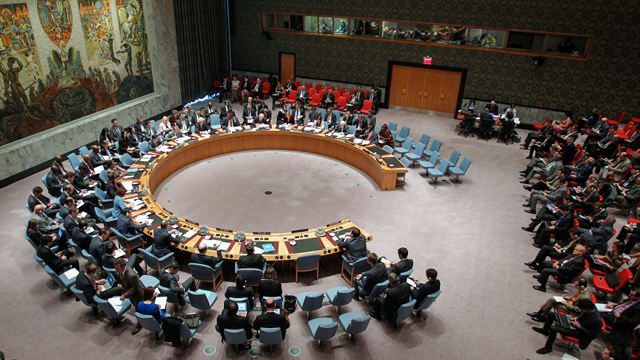
The origins of sanctions on North Korea can be traced back to the Korean War (1950-1953), but significant international scrutiny began to intensify in the late 1990s and early 2000s when North Korea conducted its first nuclear tests. A series of United Nations Security Council Resolutions (UNSCRs) were enacted in response, starting with UNSCR 1718 in 2006, which condemned North Korea’s nuclear tests and imposed sanctions on arms exports and various trade goods. Over the years, additional resolutions, such as UNSCR 2270 and UNSCR 2371, expanded these measures to include financial restrictions, trade embargoes, and limitations on fuel imports.
The Nature of Sanctions
The sanctions imposed on North Korea can be categorized into several types: military sanctions, economic sanctions, travel bans, and asset freezes. Military sanctions prohibit the export and import of weapons and military equipment to and from North Korea. Economic sanctions, on the other hand, target North Korea’s trade in various goods, particularly those that could be used for military purposes or that generate revenue for the regime. The targeted sanctions against individuals and entities, including travel bans and asset freezes, aim to hold responsible parties accountable for their role in North Korea’s nuclear program.
Impact on North Korea’s Economy
The rigorous sanctions have severely impacted the North Korean economy, which relies heavily on international trade to sustain its population. Estimates suggest that the country’s GDP has contracted significantly due to trade restrictions, leading to shortages of food, medicine, and other essential goods. The United Nations has frequently warned about the humanitarian consequences of such sanctions, pointing out that their impact often falls most heavily on the civilian population, rather than the political elite in Pyongyang.
Humanitarian Concerns
Despite the intent behind sanctions, a growing concern among international observers is the humanitarian crisis resulting from such measures. Humanitarian organizations argue that sanctions limit access to vital resources, exacerbating food insecurity and health issues among North Koreans. They advocate for exemptions for humanitarian aid and urge the international community to consider the humanitarian implications while pursuing their political objectives.
The Role of International Diplomacy
Sanctions are only one tool in the international community’s approach to North Korea’s nuclear program. Diplomatic efforts have played a crucial role in addressing the issue. Dialogues, such as the Six-Party Talks involving South Korea, North Korea, the United States, China, Japan, and Russia, were aimed at denuclearization but have seen limited success. The failure to reach a lasting agreement underscores the complexity of North Korea’s geopolitical situation, and recent years have seen fluctuating diplomatic relations, with moments of engagement followed by escalated tensions.
Global Implications of North Korea Sanctions
The imposition of sanctions on North Korea has broader implications for international relations. Countries such as China and Russia have a vested interest in the stability of the Korean Peninsula and often balance their support for sanctions with concerns about the potential for regime collapse in North Korea. This delicate balance highlights the challenges that the international community faces in addressing the North Korean issue while maintaining regional stability.
Future of Sanctions and Prospects for Change
As North Korea continues its nuclear development, the future of sanctions remains uncertain. The international community’s approach may evolve, particularly as geopolitical dynamics shift. Increased tensions between major world powers could complicate consensus on how to handle North Korea. The hope for eventual denuclearization and stability in the region hinges on effective diplomacy, but the resilience of the North Korean regime and its determination to maintain its nuclear arsenal complicate matters significantly.
Conclusion
Sanctions against North Korea serve as a crucial tool for the international community in its attempt to address the threats posed by Pyongyang’s nuclear ambitions. However, the realities on the ground are complex, and the accompanying humanitarian concerns must be addressed. Balancing the goals of non-proliferation with the needs of the civilian population remains one of the foremost challenges. As global political dynamics shift, the path forward requires innovative diplomatic approaches and a nuanced understanding of the implications of sanctions on North Korea and the broader region.