Understanding the psychological effects of gambling in casinos
The Allure of Gambling: Why People are Drawn to Casinos
The excitement of casinos often begins with the bright lights and vibrant sounds that create an intoxicating atmosphere. This sensory overload plays a significant role in attracting players, as the environment is designed to stimulate the senses and evoke feelings of excitement. The combination of anticipation and the potential for a significant win can lead individuals to gamble more than they originally intended. The thrill of placing bets and the chance of hitting a jackpot can trigger a rush of adrenaline, making the gambling experience highly addictive. For more information about this thrilling environment, you can visit https://spinboss-ie.com/, where players find numerous options to explore.
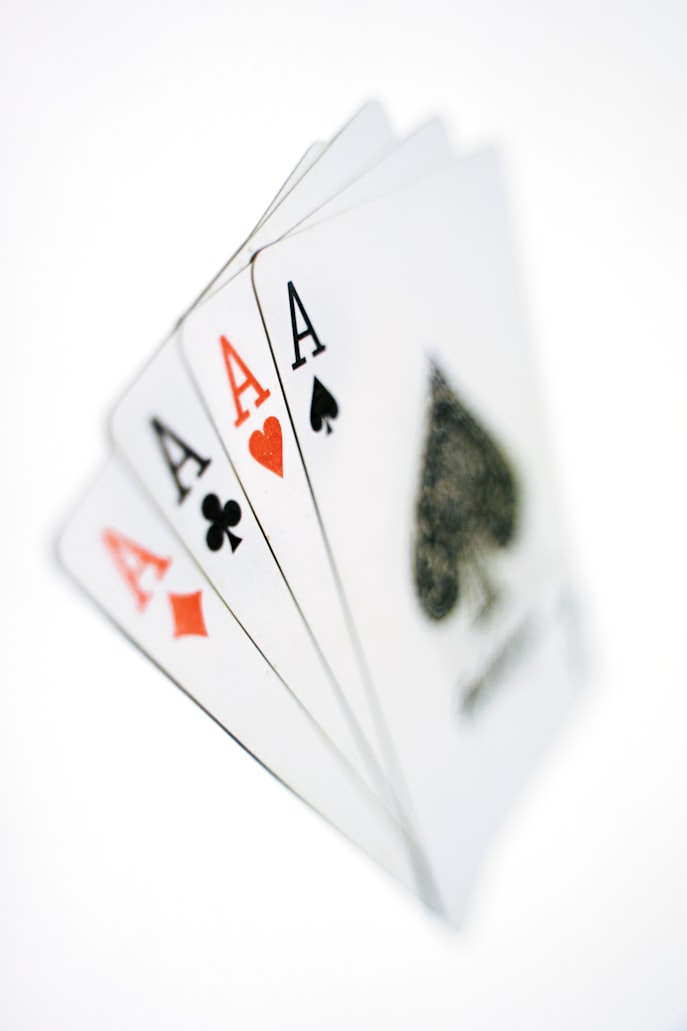
Moreover, the social aspect of gambling cannot be overlooked. Many people visit casinos to enjoy the company of friends and meet new individuals. The camaraderie formed over shared experiences, whether winning or losing, enhances the emotional connection to the gambling activity. This social interaction can create a sense of community that draws players back, reinforcing their engagement with the casino environment. Casinos often capitalize on this by offering games that encourage socialization, such as poker or live dealer games, further blurring the line between entertainment and addiction.
The psychological motivations for gambling extend beyond mere thrill-seeking. Many players believe they have a system or strategy that will increase their chances of winning. This illusion of control, where players feel they can influence the outcome, can lead to persistent gambling behavior. Cognitive biases, such as the gambler’s fallacy—the belief that past events influence future outcomes—can further entrench this mindset. Such beliefs are powerful motivators that keep players returning to the casino, even when their experiences contradict these beliefs.
The Impact of Losses: Understanding the Psychology of Chasing Losses
One of the most detrimental psychological effects of gambling is the tendency to chase losses. When players experience a significant loss, the natural reaction may be to continue gambling in an attempt to recover their lost money. This behavior, often referred to as “loss chasing,” can lead to a vicious cycle of increased bets and further losses. The desire to regain lost funds can cloud judgment, leading individuals to make irrational decisions that they might not otherwise consider.
Chasing losses can also lead to increased stress and anxiety. As players become aware of their mounting losses, they may feel pressure to win back their money, creating a heightened emotional state that further impairs decision-making. This stress can also spill over into other areas of life, affecting relationships and overall mental health. The inability to walk away after a loss can make it challenging for individuals to recognize when they have crossed a line, further exacerbating their gambling issues.
Interestingly, the psychology of loss aversion plays a significant role in this behavior. Research suggests that the pain of losing is felt more acutely than the pleasure of winning. This imbalance can compel players to gamble even more aggressively after a loss, as they seek to alleviate the emotional pain of their previous wager. Understanding this psychological drive is crucial for addressing problem gambling behaviors and providing appropriate support and intervention.
The Role of Cognitive Biases in Gambling Behavior
Cognitive biases can significantly influence gambling decisions and behaviors. One common bias is the illusion of control, where gamblers believe they have more control over random events than they actually do. This bias leads players to think they can influence outcomes through skill or strategy, which is particularly prevalent in games like poker or blackjack. Such beliefs can encourage continued play, as individuals feel empowered rather than realizing the inherent randomness of gambling outcomes.
Another cognitive bias affecting gamblers is the availability heuristic, where individuals judge the likelihood of an event based on how easily they can recall similar instances. For example, someone may overestimate their chances of winning because they remember recent stories of big wins. This can create a false sense of security, leading players to gamble recklessly, believing that success is just around the corner. Such biases can distort perceptions and lead to poor decision-making, ultimately resulting in significant financial losses.
Furthermore, the concept of reinforcement plays a critical role in shaping gambling behaviors. Players are often rewarded intermittently, which reinforces their gambling habits. The unpredictability of wins can lead to addictive behavior, as individuals continue to chase the euphoric feeling associated with winning. This cycle of reinforcement can create a dependency on gambling, as players become conditioned to seek the emotional highs associated with wins, regardless of their overall losses.
Understanding Problem Gambling: Signs and Symptoms
Identifying problem gambling is essential for timely intervention and support. Common signs include preoccupation with gambling, the need to gamble with increasing amounts to achieve excitement, and unsuccessful efforts to cut back. Individuals may also become irritable when attempting to stop gambling, highlighting a behavioral addiction that can severely impact mental health. Recognizing these symptoms early can help in seeking assistance, whether through support groups, therapy, or other resources.
Emotional distress often accompanies problem gambling, manifesting as anxiety, depression, or feelings of guilt and shame. The financial burdens that arise from excessive gambling can strain relationships and create a sense of isolation. Many individuals may withdraw from social circles or avoid family activities to conceal their gambling habits. This further exacerbates feelings of loneliness and despair, leading to a downward spiral that can be challenging to break.
It is crucial for friends and family to be aware of these signs and encourage individuals to seek help. Support systems can play a vital role in recovery, providing the emotional and practical assistance needed to overcome gambling addiction. Professional treatment options are available, including counseling and support groups, which can help individuals understand their behaviors and work toward healthier coping mechanisms.
SpinBoss Casino: A Responsible Gaming Environment
SpinBoss Casino is committed to fostering a responsible gaming environment for all players. Understanding the psychological effects of gambling is vital to ensuring that users engage with their gaming experience positively and safely. The casino promotes responsible gambling practices, encouraging players to set limits on their time and spending. This proactive approach can help players maintain control over their gaming habits, minimizing the risk of developing problem gambling behaviors.
The platform offers various resources for those who may need assistance, including links to support organizations that specialize in gambling addiction. SpinBoss Casino emphasizes the importance of education regarding gambling odds and probabilities, empowering players to make informed decisions about their gaming choices. By providing transparent information and resources, the casino aims to create a safe and enjoyable environment for all users.
Ultimately, understanding the psychological effects of gambling is crucial for both players and operators. SpinBoss Casino prioritizes a user-friendly experience while being mindful of the potential risks associated with gambling. The casino’s dedication to responsible gaming not only enhances the gaming experience but also helps to foster a community that values safety, education, and support for all players.